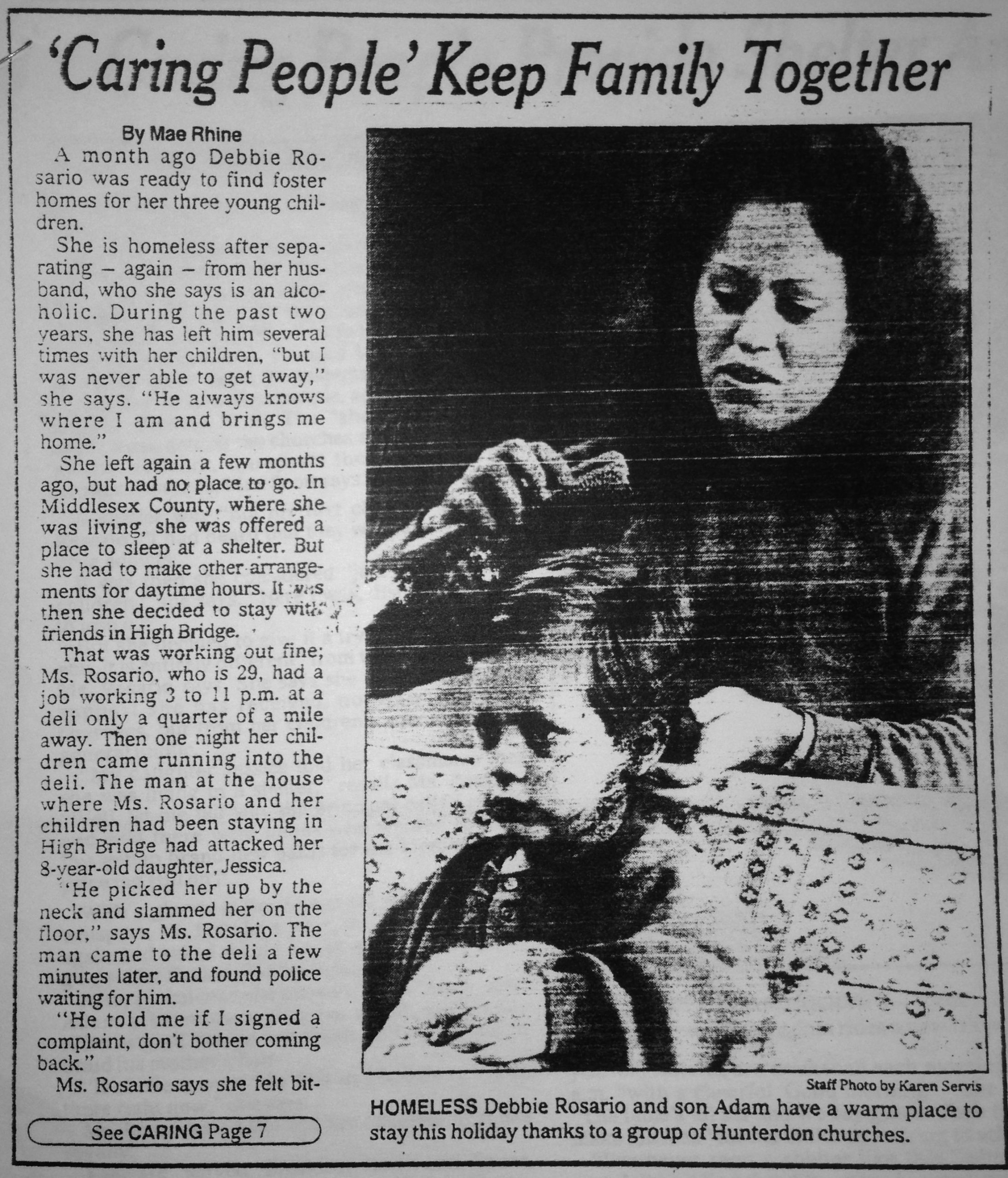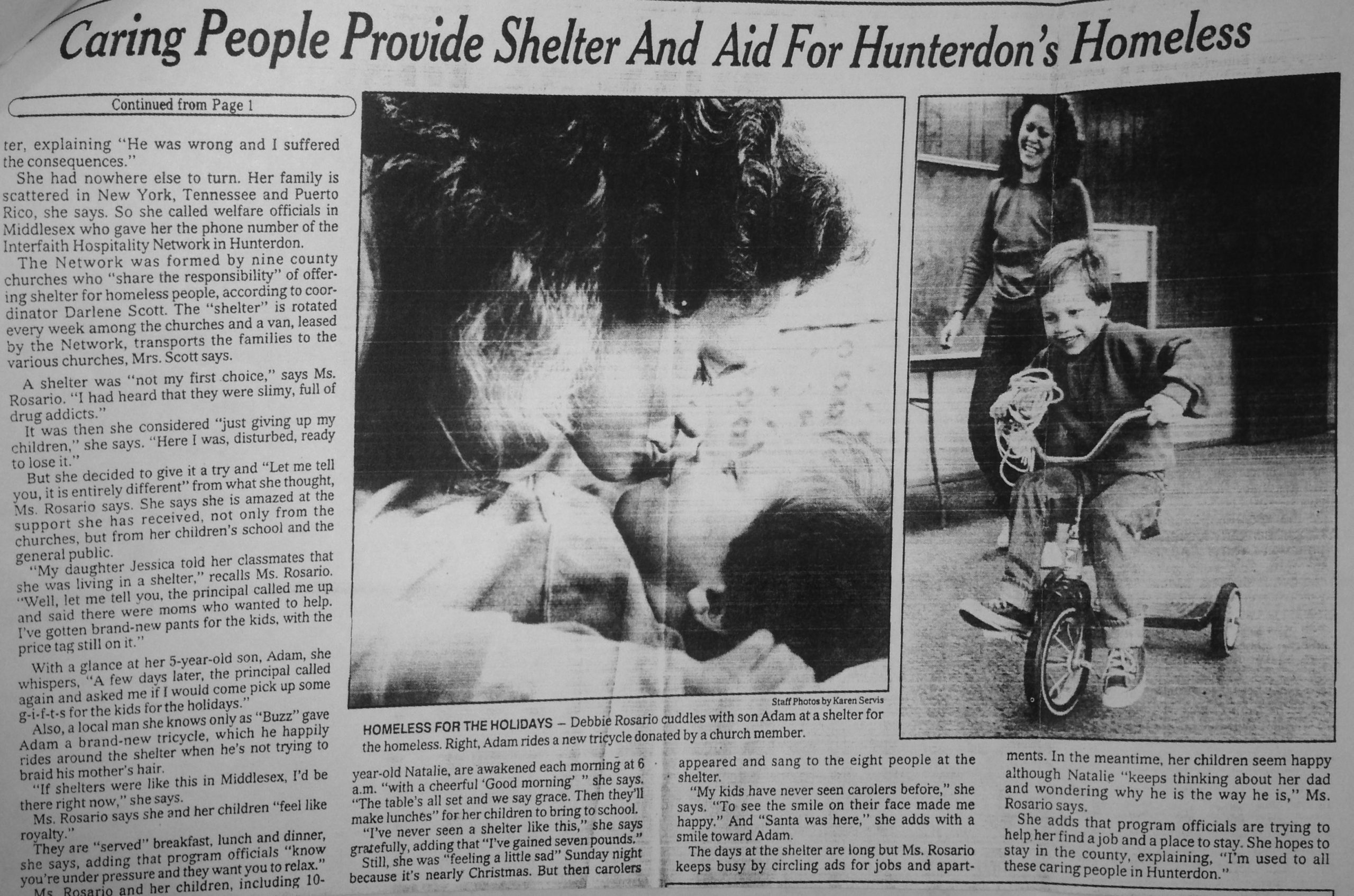
Each host-church housed guests for a week, after which time the guests moved by van to another of IHN’s sites. Much of the cost of initial operations was in-kind from the local congregations in the form of donated food and shelter space, but the costs of staff, insurance, supplies, and other basic expenses were covered through the creative fundraising undertaken by board members and other supporters.
In 2012, following the lead of the national organization, IHN of Hunterdon County changed our name to Family Promise of Hunterdon County (FPHC)
In 2019, we moved from our original host office of Flemington Presbyterian Church to our current location at 8 Bartles Road, also in Flemington.
family promise hunterdon county moves into new home
For thirty years, FPHC provided shelter based on this model until the Covid-19 pandemic in March 2020. Instantly, churches shut down and multiple families sharing a single space was no longer considered a safe option. FPHC quickly pivoted to providing shelter by using local motel rooms, enriched by services provided largely remotely.
As the years passed and the pandemic eased, FPHC began to plan for a more sustainable housing model in which families would have private bedrooms and not be required to move between facilities on a weekly basis. Calvary Episcopal Church in Flemington stepped forward and offered their Annex and following renovations funded largely through state grant sources.
In late 2024, the Promise Center, a four-bedroom residential support center for families experiencing homelessness, opened its doors to single women and families with children.
While having a sheltering program available to provide families with a safe and stable place to live is a critical service, all research supports the idea that avoiding or minimizing periods of homelessness is optimal for families, and especially children. Consequently, FPHC began offering eviction prevention and diversion services in 2009 in which local residents facing situational financial hardships may be eligible for assistance with rental or utility arrears or short-term rental payments, and/or help with other emergent needs threatening housing stability.
Despite these services, some individuals lack sufficient personal, community, and financial resources and are forced to live in their cars, tents, and other areas not meant for habitation. In response to the growing unsheltered population in Hunterdon Conty, FPHC initiated Hope Restored, a mobile Outreach and Engagement in 2024, Hope Restored.
-Laurie Hughes, IHN Director, June 24, 1993, Letter to the Editor